
Defensive Strategies
Home / Defensive Strategies

Introduction
Defences are part of how the mind protects itself. They develop in childhood, often before words could be put to what was being protected against, and they operate mostly without our awareness. The difficulty is that defences formed to manage childhood circumstances do not necessarily fit the adult life that follows. An emotional withdrawal that once helped a child manage a difficult home may later limit the closeness possible in adult relationships. Recognising one's defences, understanding what they were originally for, and revising them in light of present circumstances is part of what therapy involves.
Some common defences are described below.
Projection
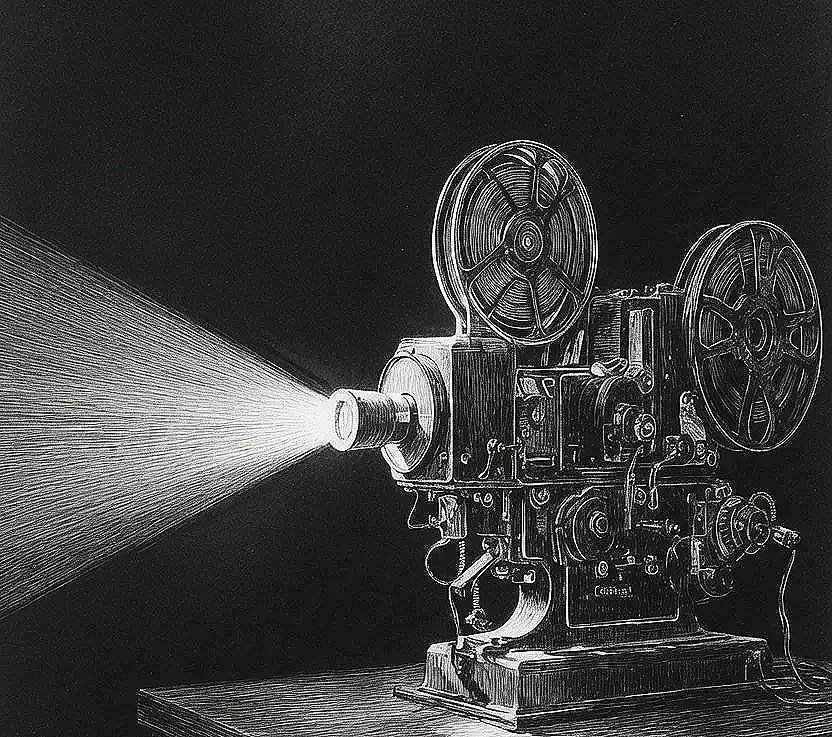
Projection attributes one's own unacknowledged thoughts, feelings, or impulses to another person. For example, an individual concerned with the quality of their recent work becomes convinced that colleagues are quietly questioning their competence and waiting for them to fail. The recipient is typically someone the individual feels both threatened by and similar to in some respect. The disowned material is experienced as belonging to others and protects the individual from recognising it as their own. This commits the individual to an ongoing preoccupation with those receiving the projection. In more disturbed forms, particularly narcissistic projection, the recipient is blamed for the disowned material and pressured to accept it as their own.

Isolation of Emotion
Isolation of emotion involves detaching the emotional component of distressing thoughts and experiences while retaining clear intellectual recall of them. For example, an individual may recount a painful argument or traumatic incident in detail without experiencing the associated sadness, anger, or anxiety. The emotional charge is separated from the memory and typically results in unemotional or detached descriptions of distressing experiences. Although this defence can provide temporary relief by reducing immediate overwhelm, it deprives the individual of the evaluative information emotions provide for making decisions. The blocked emotions may also later emerge in delayed or displaced reactions.
Idealizing Others
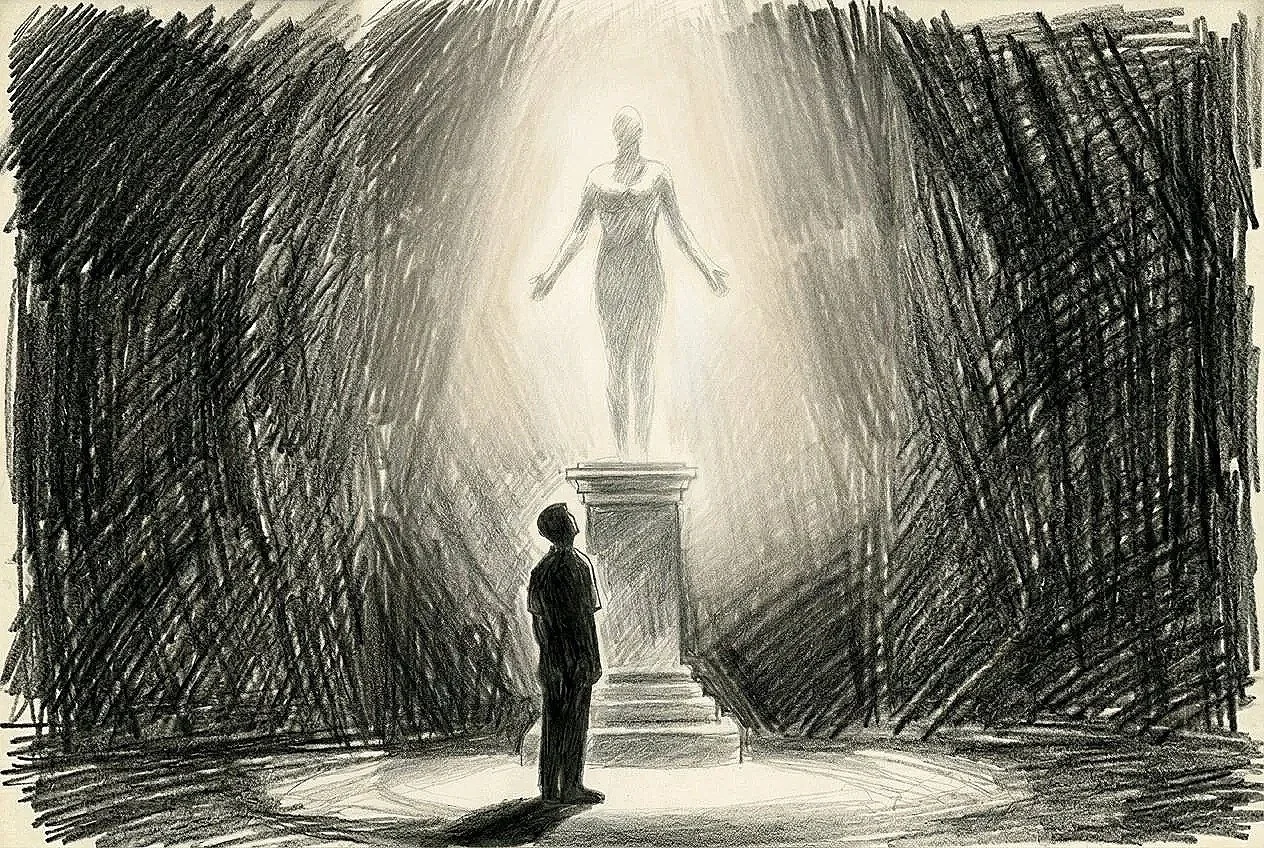
Attributing exaggerated positive qualities to another person is able to strengthen self-esteem through association. Idealization enables the unconscious borrowing of specialness, competence, or worth, and temporarily alleviates feelings of inadequacy. The idealised figure may be known personally, encountered only through reputation or public role, or sustained through imagined connection. Although the figure's shortcomings may be intellectually recognised, they are often downplayed to preserve the fantasy. The surfacing of undeniable human flaws in the idealized other leads to feelings of sharp disappointment and a reduction in self-esteem.

Self-Devaluation
Feelings of inadequacy are defensively managed by devaluing one’s self-image through persistent self-criticism. Attributing exaggerated negative qualities to the self paradoxically protects against future personal disappointments or external criticism by lowering expectations of oneself; a negative outcome that is already anticipated is easier to absorb than one that is not. Positive characteristics can be intellectually acknowledged, but are consistently downplayed to preserve a stable self-image. Viewing the self negatively also reduces the pain of comparison by positioning others' accomplishments as unattainable.
Displacement
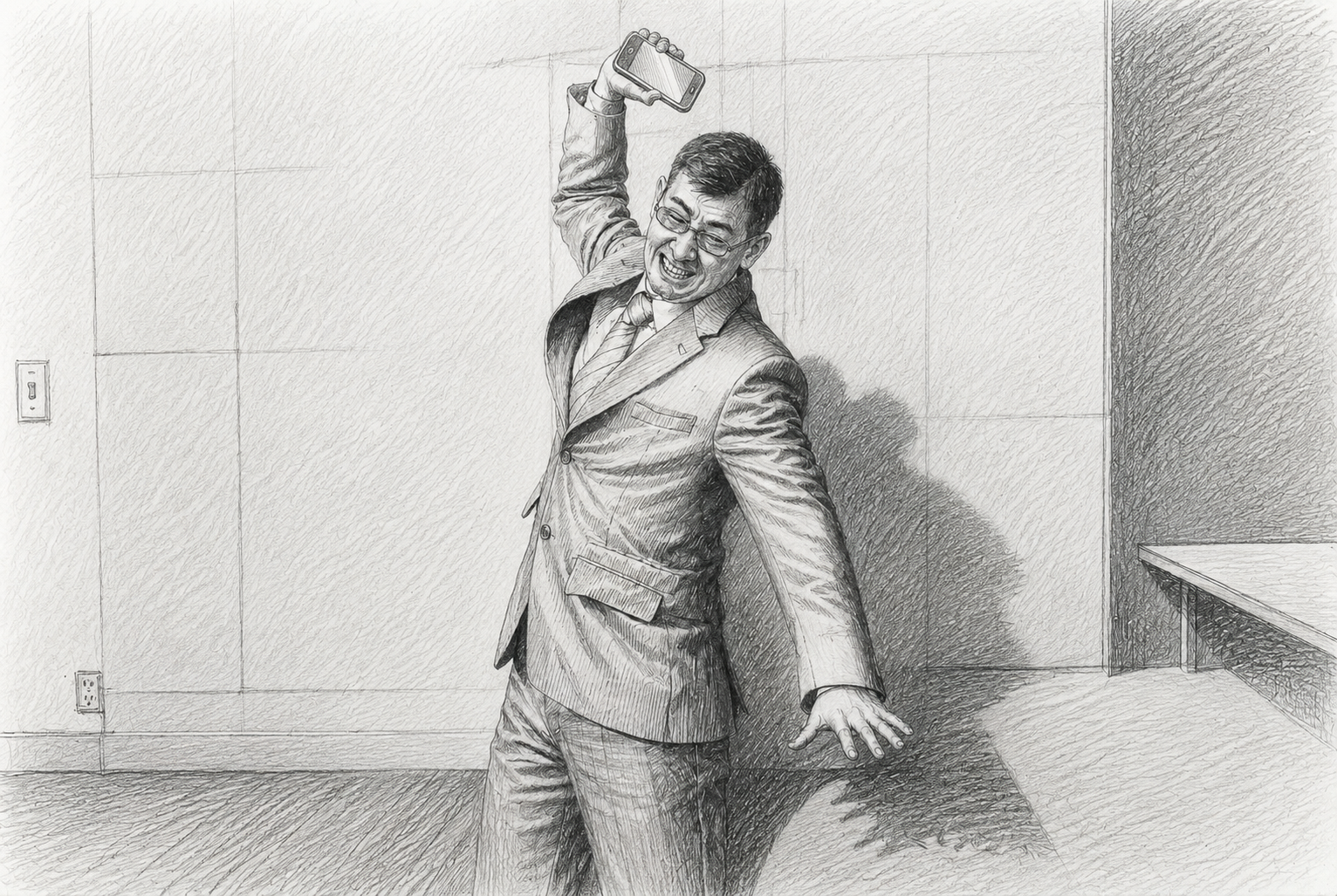
Displacement redirects negative emotions from their actual cause onto a substitute person or object where expression carries less personal risk. For example, an individual reprimanded by a superior at work returns home and snaps at their partner for no legitimate reason. The emotion itself is consciously felt and expressed, providing some relief, while the original issue remains unresolved. The person displacing their emotion may or may not recognize that their response was incorrectly placed.

Denial
Denial involves refusing to acknowledge aspects of reality or personal experience despite clear evidence to the contrary. For example, an individual whose alcohol consumption has increased may insist they have it under control. Both the fact and the feelings that accompany the denied material are held outside awareness. This protects the individual from confronting painful feelings they cannot yet tolerate, and from the personal responsibility that acknowledgement would bring. Although denial offers short-term protection from distress, it prevents adjustment and typically worsens the underlying problem.

Passive Aggression
Passive-aggressive behaviour conveys dissatisfaction indirectly without openly acknowledging it. For example, an individual who feels hurt by their partner withdraws into silence and states that 'nothing is wrong' when asked. Direct expression is avoided in expectation of conflict or rejection, and discontent is instead expressed through behaviours such as withdrawal, backhanded compliments, selective forgetting, and deliberate inefficiency. The defensive behaviour delivers the grievance while avoiding overt confrontation. The individual typically feels justified in acting this way and may take quiet satisfaction in the discomfort caused.

Suppression
Suppression is the conscious postponement of distressing thoughts, feelings, and experiences. It involves deliberately setting them aside through strategies such as distraction (focusing on other tasks), self-instruction (e.g., "not now"), or physical actions (e.g., exercise). Both the thought and its associated feeling are held outside awareness until one feels better able to engage with the content, or when the timing is more suitable. Suppression is adaptive when used selectively and followed by genuine engagement with the postponed material. Habitual reliance on it can lead to chronic emotional avoidance and diminished capacity to tolerate difficult feelings.
Conclusion
The defences described above are a small selection from a much wider range recognised in contemporary psychodynamic theory. Most individuals rely on a particular cluster rather than on any single defence in isolation, and these clusters interact in ways specific to each person; one defence may set up another, two may reinforce each other, a third may step in when the first becomes unworkable. The pattern that results is part of what makes each person psychologically distinctive.
Therapy works with these patterns by helping you recognise your defences as they operate, understand what they protect against, and gradually replace those that no longer serve you with more direct ways of meeting difficulty.